
DIY wedding photography has come a long way from someone's uncle wandering round with a camcorder. These days, it usually means one thing: a table of disposable or instant cameras, handed over to your guests to capture the day as they see it. It's a growing trend among UK couples — but like any approach, it comes with genuine upsides and a few things worth knowing before you commit.
The Pros
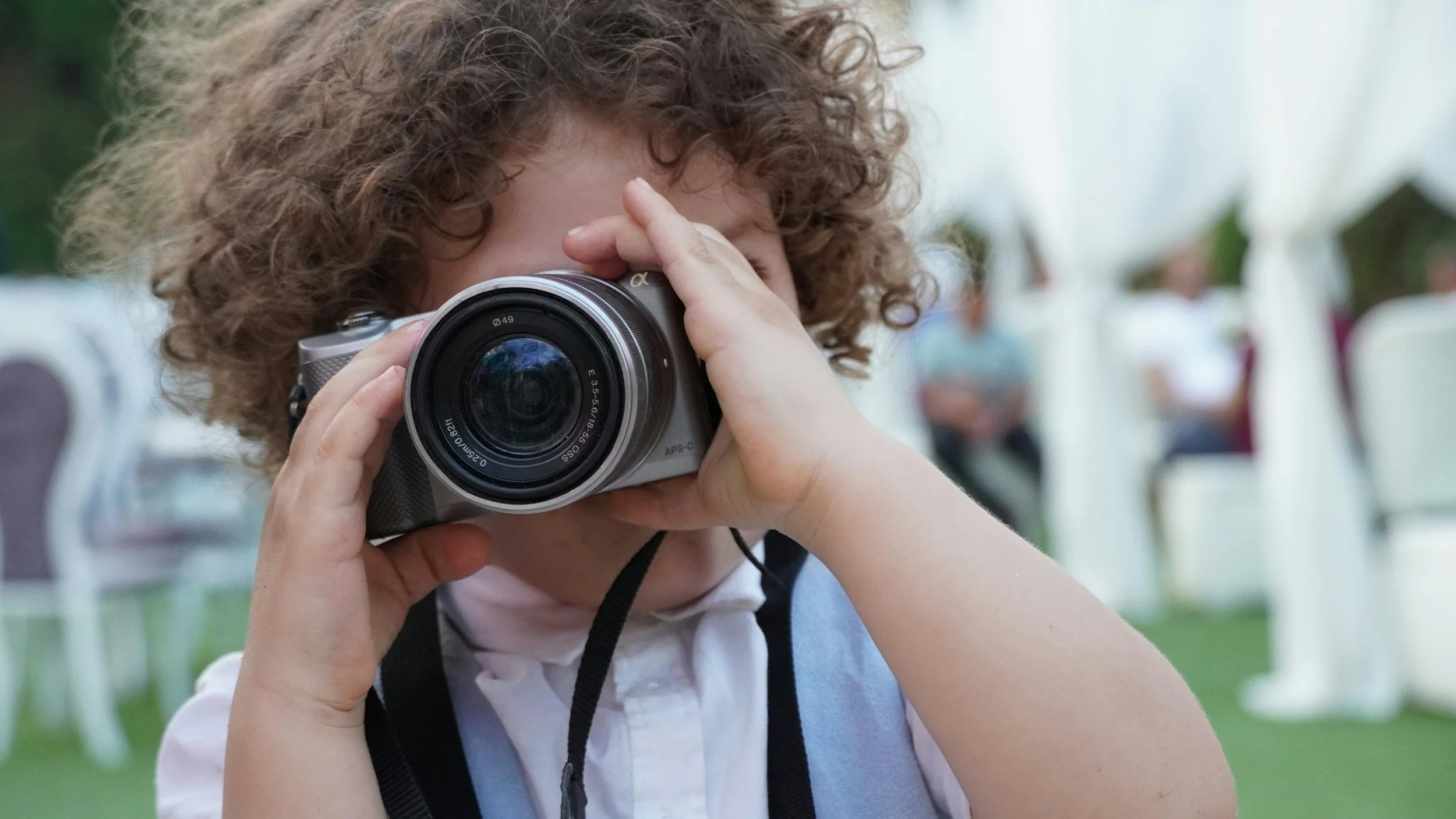
It's significantly cheaper. A guest camera table typically costs a small fraction of a professional photographer's day rate, freeing up budget for other parts of the wedding.
It captures genuine candid moments. Guests aren't performing for a camera the way they might around a professional — the result is a set of photos that feel honest, funny, and true to the atmosphere of the day.
It gets everyone involved. Rather than being passive subjects, guests become active participants in documenting the celebration. It's often one of the most talked-about parts of the reception.
The reveal is part of the fun. Waiting for disposable film to be developed adds a genuine sense of anticipation — couples often say opening that envelope weeks later feels like reliving the day all over again.
It's a great keepsake. A shoebox (or digital folder) full of guest-taken photos tends to be treasured differently than a polished album — messier, funnier, and full of personality.
The Cons
Quality is inconsistent. Not every guest is a natural photographer. Expect a mix of brilliant candid shots alongside blurry, poorly framed, or accidentally-thumb-over-the-lens photos.
No guarantee of coverage. There's no one directing guests toward key moments, which means some parts of the day — including moments you'd really want captured — might end up under-photographed or missed entirely.
Low light is tricky. Evening receptions, dim venues, and dance floors can be genuinely hard to photograph well without proper equipment, so expect a fair few dark or grainy shots.
Development takes time. If you're using disposable film cameras, you won't see any results until they're developed — which means no instant previews and a bit of a wait before you get your photos.
It's not a full replacement for formal portraits. Family group shots and posed portraits generally need someone directing the process — something guest cameras can't offer.
Making It Work
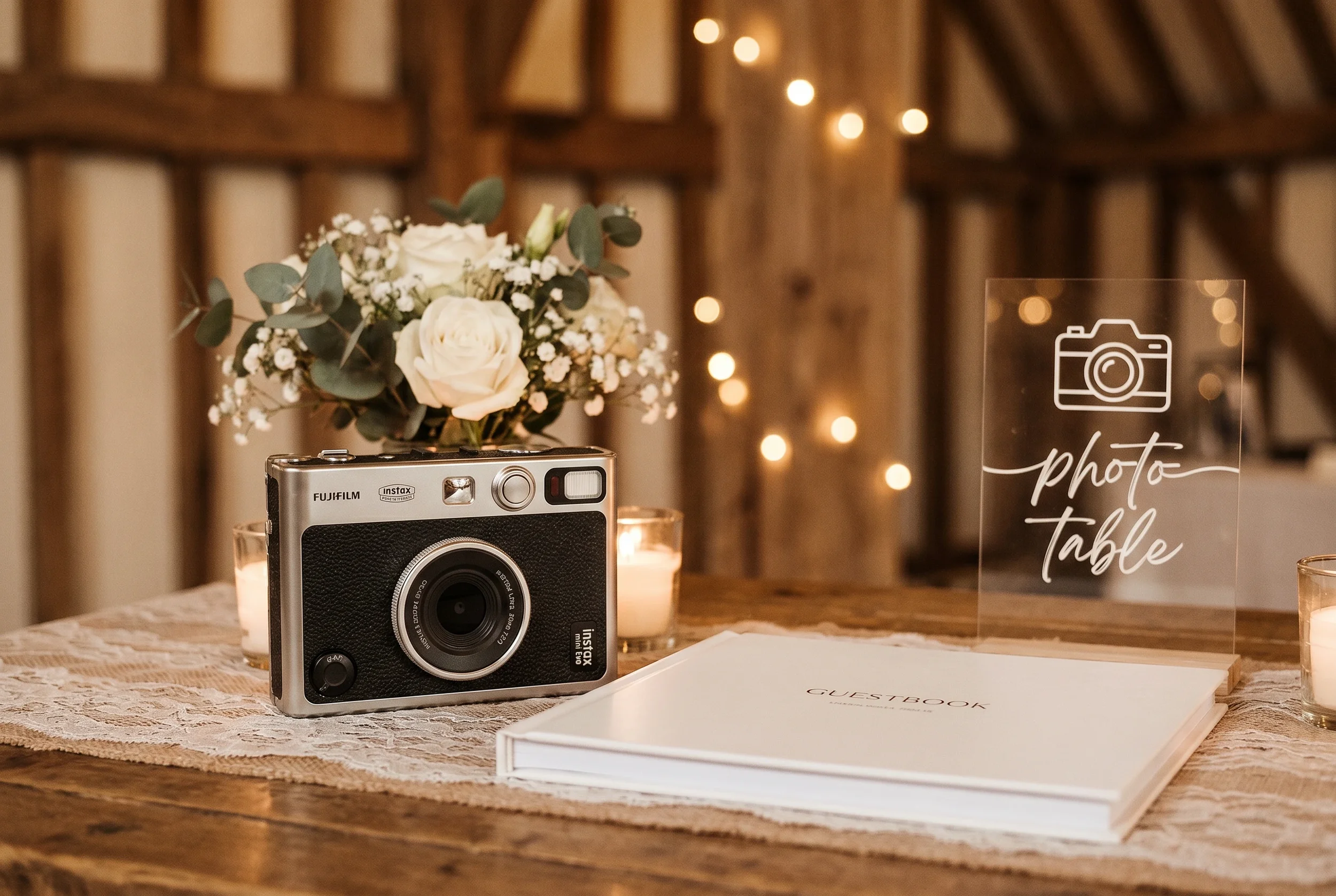
The couples who get the most out of DIY wedding photography tend to treat it as a complement, not a replacement. Pairing guest cameras with even a short window of professional coverage — just for the ceremony and family portraits — covers your bases while still getting all the candid, budget-friendly benefits guest cameras bring to the rest of the day.
The Bottom Line
DIY wedding photography with guest cameras isn't about replicating what a professional does — it's about capturing something different altogether: your wedding, seen through the eyes of the people who were there celebrating with you.
